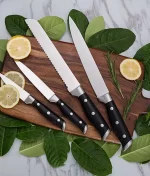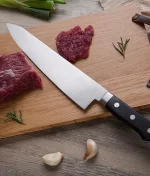

What should I look for when investigating a knife’s quality?
What should I look for when investigating a knife’s quality?
Choosing a high-quality kitchen knife is critical for both sellers and consumers. For distributors, retailers, and restaurateurs, understanding what defines a knife’s quality helps ensure that the products you source sell well, last long, and satisfy customers. Working with a reliable Kitchen knife manufacturer or an OEM kitchen knife factory provides access to knives that meet professional standards and market expectations.
Knife quality is not determined by a single factor. From the blade material and hardness to handle ergonomics, balance, and finishing, every aspect contributes to the knife’s overall performance. In this comprehensive guide, we will break down the most important factors to consider when evaluating a knife’s quality.
Blade Material and Composition
The blade material is the core of any knife, as it determines sharpness, durability, corrosion resistance, and ease of maintenance. Popular blade materials include:
High-Carbon Stainless Steel
High-carbon stainless steel is a blend of carbon and stainless steel that combines the sharpness of carbon steel with the corrosion resistance of stainless steel. Advantages include:
- Long-lasting edge retention
- Good resistance to rust and stains
- Easier maintenance than pure carbon steel
Many high-end knives from trusted Kitchen knife manufacturers use high-carbon stainless steel due to its balance of performance and reliability. An OEM kitchen knife factory can customize the carbon content to suit specific product lines or regional preferences.
Stainless Steel
Pure stainless steel knives are highly resistant to rust and staining but may require more frequent sharpening. They are widely used in household knife sets and commercial kitchens due to their affordability and hygiene benefits.
Working with a professional Kitchen knife manufacturer ensures that stainless steel knives meet hardness and quality standards, while an OEM kitchen knife factory can offer custom polishing and finishing options.
Damascus Steel
Damascus steel is created by layering different types of steel and forging them together. Its advantages include:
- Unique, attractive patterns
- High durability and edge retention
- Premium appeal to collectors and professional chefs
Knives made from Damascus steel are often sourced from specialized Kitchen knife manufacturers or produced through OEM kitchen knife factories for branded lines.
Ceramic Blades
Ceramic knives are extremely sharp and lightweight. They maintain their edge for a long time but can be brittle and prone to chipping. They are ideal for precise tasks such as slicing fruits, vegetables, and boneless meats.
When sourcing ceramic knives, choose a Kitchen knife manufacturer with proven expertise or an OEM kitchen knife factory that can produce consistent quality in mass production.
Blade Hardness and Edge Retention
Blade hardness, typically measured on the Rockwell scale, determines how long a knife will stay sharp and how resistant it is to wear.
Optimal Hardness Levels
- Soft blades: easier to sharpen, less brittle, but edges dull faster
- Hard blades: retain sharpness longer, can chip if misused
Most professional-grade kitchen knives range from 56 to 62 HRC (Rockwell Hardness). Reliable Kitchen knife manufacturers provide accurate hardness specifications, and OEM kitchen knife factories can adjust hardness for specific market needs.
Edge Retention and Sharpening
A knife that holds its edge longer reduces maintenance needs. Some knives are laser-sharpened or hand-honed for exceptional performance. Custom sharpening services can be arranged through an OEM kitchen knife factory for branded or specialized lines.
Knife Balance and Ergonomics
The balance of a knife affects comfort and control during cutting. Handle design, weight distribution, and grip shape all contribute to ergonomics.
Handle Design and Material
Handle materials such as wood, G10, Micarta, PP, or stainless steel impact grip, durability, and aesthetics. For example:
- Wooden handles: premium feel, natural grip, visually appealing
- G10 and Micarta: high performance, water-resistant, durable
- PP/Plastic: cost-effective, easy to clean
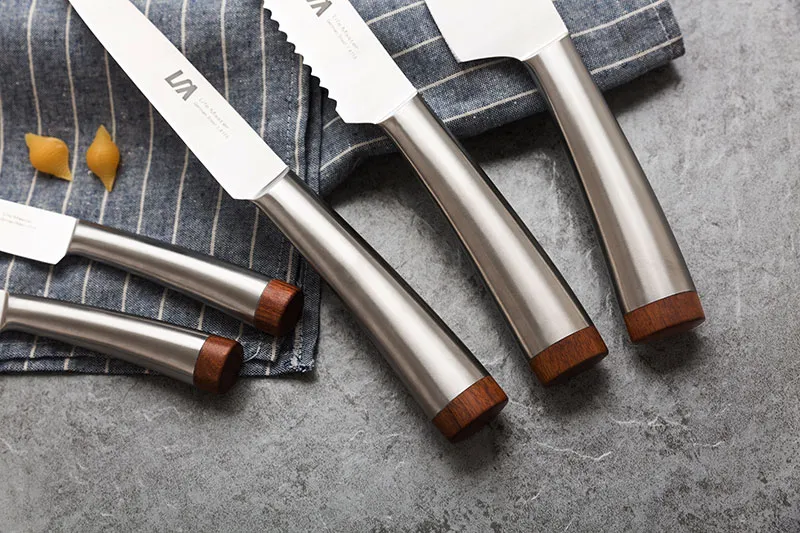
- Stainless steel: sleek, hygienic, professional look
Selecting the right handle material is crucial when working with a Kitchen knife manufacturer or an OEM kitchen knife factory to match your target market and price point.
Weight and Balance
A well-balanced knife reduces fatigue and increases cutting precision. Test knives by holding them in a standard cutting position; the knife should feel comfortable, with the blade and handle evenly balanced.
Craftsmanship and Finishing
High-quality knives show careful attention to detail in construction and finishing.
Forging vs Stamping
- Forged knives: shaped from a single piece of steel, heavier, more durable, often have full tangs
- Stamped knives: cut from a sheet of steel, lighter, more affordable, may have partial tangs
Working with a Kitchen knife manufacturer ensures quality forging processes, while OEM kitchen knife factories can produce stamped knives for cost-effective product lines.
Polishing and Surface Treatment
Knives can be polished, coated, or heat-treated to enhance durability, rust resistance, and visual appeal. Attention to finishing reflects the overall quality and professionalism of the manufacturer.
Brand Reputation and Certification
A knife’s brand and manufacturer credibility influence customer trust. Certifications like FDA, LFGB, ISO, or CE indicate safety and compliance.
Partnering with a reputable Kitchen knife manufacturer or leveraging an OEM kitchen knife factory ensures certified products, which is especially important for export markets.
Packaging and Accessories
High-quality packaging increases perceived value. Consider:
- Knife blocks or storage sets
- Protective sheaths for individual knives
- Custom branding and gift packaging
An OEM kitchen knife factory can provide packaging solutions to enhance brand identity and appeal to end-users.
Market Trends and Consumer Preferences
Current trends influence knife selection:
- Professional chefs prefer high-carbon steel and ergonomic designs
- Home cooks favor lightweight, easy-maintenance knives
- Collectors seek Damascus or handcrafted knives
- Eco-conscious buyers prefer sustainable wood handles
Understanding trends allows distributors and retailers to choose products that meet market demand, whether sourcing from a Kitchen knife manufacturer or customizing through an OEM kitchen knife factory.
Pricing and Profitability Considerations
Knife quality and materials influence cost. Balancing affordability with premium features ensures wider market appeal. Offering different product tiers—budget, mid-range, and premium—can maximize sales while catering to various customer segments.
Reliable Kitchen knife manufacturers and OEM kitchen knife factories allow flexibility in materials, production techniques, and packaging to achieve optimal pricing strategies.
Conclusion: Evaluating Knife Quality for Sales Success
When investigating a knife’s quality, consider:
- Blade material and hardness
- Edge retention and sharpening
- Handle ergonomics and material
- Balance and weight distribution
- Craftsmanship, forging, and finishing
- Brand reputation and certifications
- Packaging, accessories, and presentation
- Market trends and consumer preferences
Partnering with a trusted Kitchen knife manufacturer or an OEM kitchen knife factory ensures that all these factors are addressed. High-quality knives improve customer satisfaction, reduce returns, and strengthen brand reputation, ultimately boosting sales and profitability in the competitive kitchenware market.
By taking a comprehensive approach to evaluating knife quality, distributors, retailers, and exporters can confidently select products that appeal to professional chefs, home cooks, and collectors alike.

Related Posts