
How to start my own branded knife business?
How to start my own branded knife business?
Starting your own branded knife business can be a profitable venture if you approach it strategically. With the growing demand for high-quality kitchen knives worldwide, entrepreneurs have an opportunity to build a brand that combines quality, aesthetics, and market awareness. Key steps include sourcing from reliable suppliers, designing your product line, understanding your target audience, and marketing effectively. Working with a trusted Kitchen knife manufacturer or an OEM kitchen knife factory is essential for creating high-quality, market-ready knives under your own brand.
Understanding the Knife Market
Before launching a brand, it’s important to research the knife industry. Key aspects include:
Market Segmentation
- Home cooks: Prefer affordable, easy-to-use knives.
- Professional chefs: Seek high-performance, durable knives.
- Collectors: Interested in premium materials like Damascus steel and handcrafted handles.
- Restaurants and hotels: Require bulk orders of standardized, reliable knives.
Understanding these segments allows you to select the right products and focus your marketing strategy. A Kitchen knife manufacturer can provide insights into market trends, while an OEM kitchen knife factory can tailor products to specific segments.
Competitor Analysis
Study competitors’ product lines, pricing, marketing strategies, and brand positioning. Identify gaps where your brand can differentiate, such as unique designs, better materials, or premium packaging.
Choosing the Right Products
Selecting the right knives is crucial for building a successful brand.
Knife Types to Offer
Consider starting with a core set of knives:
- Chef’s knives
- Paring knives
- Bread knives
- Utility knives
- Specialty knives (boning, filleting, cleavers)
Knife Sets vs Individual Knives
- Knife sets: Convenient, higher perceived value, great for gift buyers and wholesale clients.
- Individual knives: Flexible, easier to introduce customers to your brand gradually.
A reliable Kitchen knife manufacturer or OEM kitchen knife factory can help design and supply both sets and individual knives for your brand.
Blade Materials and Handle Design
Choose materials that balance performance and cost:
- Blades: High-carbon stainless steel, stainless steel, Damascus steel
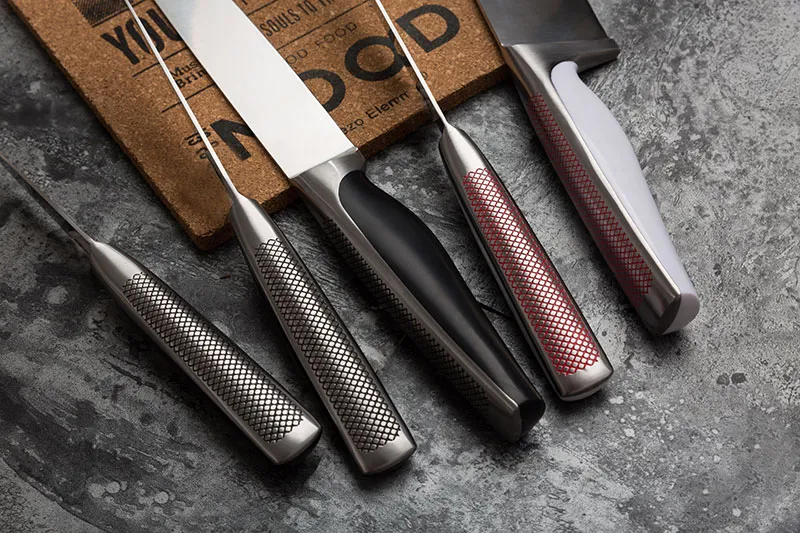
- Handles: Wood, G10, Micarta, PP/plastic, stainless steel
Consistency in materials, ergonomics, and design enhances brand recognition.
Branding and Packaging
Branding is more than a logo—it’s about creating a consistent identity that resonates with customers.
Logo and Brand Identity
Develop a memorable logo, brand colors, and product style. Your branding should convey quality, reliability, and your target market positioning.
Packaging Design
High-quality packaging increases perceived value and protects knives during shipping. Options include:
- Custom boxes and gift sets
- Knife blocks or sheaths
- Instruction manuals and care guides
An OEM kitchen knife factory can provide full packaging solutions and incorporate your branding into every product.
Working with Manufacturers
Partnering with the right manufacturer is crucial to ensure quality and scalability.
Kitchen Knife Manufacturer
A reliable manufacturer ensures:
- High-quality materials and craftsmanship
- Consistency in blade hardness and handle ergonomics
- Compliance with safety and export standards
OEM Kitchen Knife Factory
An OEM factory allows customization of:
- Knife designs and handle shapes
- Logos, laser etching, or engraving
- Packaging, sets, and accessories
Selecting a trustworthy supplier ensures your knives meet customer expectations and supports your brand’s reputation.
Marketing Your Knife Brand
Effective marketing is key to building recognition and generating sales.
Online Channels
- E-commerce platforms (Shopify, Amazon, eBay)
- Social media marketing (Instagram, TikTok, Pinterest)
- Content marketing (blogs, SEO articles)
Offline Channels
- Trade shows and exhibitions
- Retail partnerships and distribution
- Culinary schools and professional chef networks
Your marketing strategy should highlight knife quality, materials, ergonomic design, and unique selling points.
Pricing and Sales Strategy
Setting Prices
Balance between affordability and premium positioning. Consider:
- Material costs
- Manufacturing costs from Kitchen knife manufacturers or OEM factories
- Packaging and branding expenses
- Desired profit margins
Wholesale and Retail Strategy
- Wholesale: Offer discounts for bulk purchases, target restaurants, hotels, and retailers
- Retail: Direct-to-consumer sales online or in physical stores
A well-planned pricing strategy ensures profitability and brand credibility.
Legal Considerations
Ensure your brand complies with local and international laws:
- Trademark registration for your brand
- Compliance with FDA, LFGB, ISO, or CE standards
- Import/export regulations for kitchen knives
Consulting with a Kitchen knife manufacturer or OEM kitchen knife factory helps ensure products meet all legal and safety requirements.
Customer Support and After-Sales Service
Providing excellent support builds trust and loyalty:
- Warranty and replacement policies
- Customer guidance on knife care
- Responsive communication channels
Brands that focus on quality service increase repeat purchases and positive reviews.
Scaling Your Branded Knife Business
Once your brand is established:
Expanding Product Lines
- Introduce new knife sets or specialty knives
- Add complementary kitchen tools like cutting boards or sharpeners
Entering New Markets
- Export to international markets
- Collaborate with distributors or e-commerce partners
Working with experienced Kitchen knife manufacturers or OEM kitchen knife factories ensures scalability while maintaining quality.
Conclusion: Launching a Successful Branded Knife Business
Starting your own branded knife business requires strategic planning, quality sourcing, effective marketing, and strong brand identity. By focusing on:
- High-quality blade and handle materials
- Ergonomic, consistent design
- Packaging and branding
- Market research and trend awareness
- Partnerships with a Kitchen knife manufacturer or OEM kitchen knife factory
…you can build a brand that appeals to home cooks, professional chefs, and collectors alike.
A successful knife brand combines functionality, aesthetics, and customer trust. Careful attention to quality, design, and marketing ensures long-term profitability and growth in the competitive kitchen knife industry.

Related Posts