
Besides material, what matters when choosing a knife to sell?
Besides material, what matters when choosing a knife to sell?
When selecting kitchen knives to sell, material is just one part of the equation. Other factors such as design, blade type, ergonomics, brand, and market trends play a crucial role in determining which knives will be successful in the marketplace. For distributors and retailers, understanding these aspects can help make smarter sourcing decisions. Partnering with a reliable Kitchen knife manufacturer or an OEM kitchen knife factory ensures access to high-quality knives that meet market demand.
Blade Design and Type
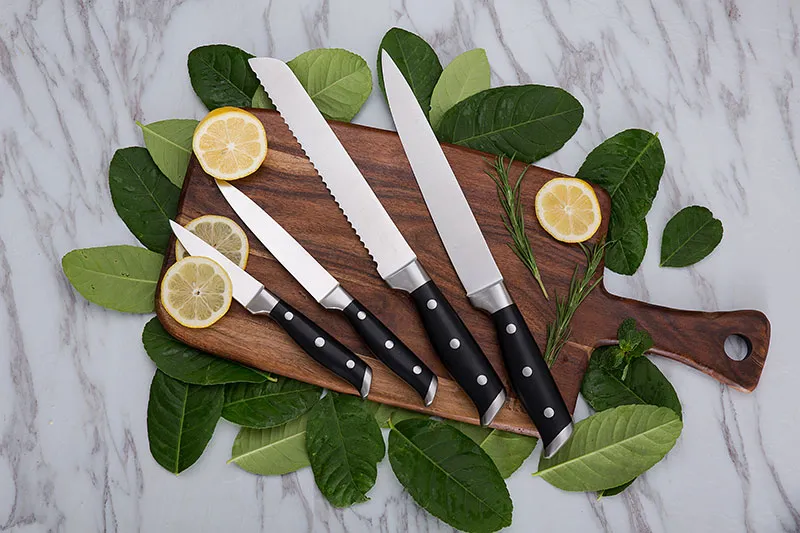
The blade type influences cutting performance, versatility, and customer preference. Some popular blade types include:
- Chef’s Knife: Versatile and essential for chopping, slicing, and dicing.
- Santoku Knife: Lightweight and precise, ideal for everyday kitchen use.
- Paring Knife: Small and accurate, perfect for detailed tasks like peeling and trimming.
- Bread Knife: Serrated edges for slicing bread without crushing.
- Utility Knife: A mid-sized knife suitable for multiple purposes.
Selecting knives with popular blade types ensures higher demand and faster turnover. A professional Kitchen knife manufacturer can provide a range of blade designs, while an OEM kitchen knife factory can customize shapes or offer branded versions.
Ergonomics and Handle Comfort
Comfortable grips and ergonomic designs are critical for user satisfaction. Knives with well-balanced handles reduce fatigue and improve precision. Factors include:
- Non-slip handles
- Proper weight distribution
- Rounded or textured grips for better control
An OEM kitchen knife factory can create handles tailored to different markets, ensuring your knives stand out among competitors.
H3: Brand Reputation and Certification
Consumers trust knives that come from reputable brands or manufacturers. Certifications like FDA, LFGB, or ISO standards reassure buyers of safety and quality. Choosing knives from a reliable Kitchen knife manufacturer or customizing through an OEM kitchen knife factory helps maintain high standards and builds trust with end users.
Market Trends and Customer Preferences
Keeping up with market trends ensures you stock knives that people want. Popular trends include:
- Lightweight and easy-to-maintain knives
- Stylish designs with modern aesthetics
- Specialty knives for niche markets (e.g., Japanese knives, chef collections)
Understanding customer preferences in your target market allows you to work with a Kitchen knife manufacturer or an OEM kitchen knife factory to provide relevant products.
Packaging and Presentation
High-quality packaging can increase perceived value. Options include:
- Custom boxes with branding
- Knife sets with coordinated handles and storage solutions
- Protective sheathes or knife blocks
Custom packaging is often done through an OEM kitchen knife factory, giving your products a professional and premium look.
Pricing Strategy
Pricing affects market positioning. Knives should balance affordability and quality. High-end knives may use exotic woods or premium steel, while budget-friendly options may use PP handles or stainless steel blades. Working with a Kitchen knife manufacturer or an OEM kitchen knife factory allows flexibility in material and production costs to match different price points.
Conclusion: Key Factors Beyond Material
While material is important, other factors—blade type, ergonomics, brand reputation, market trends, packaging, and pricing—play an equally significant role in selecting knives to sell. Partnering with a trusted Kitchen knife manufacturer or OEM kitchen knife factory ensures that your knife products are high-quality, market-ready, and appealing to customers.
By considering all these elements, distributors and retailers can maximize sales, satisfy customers, and maintain a competitive edge in the kitchen knife market.

Related Posts